A well-executed botox treatment looks effortless, but the quality you see in a mirror is built on careful planning long before a needle touches skin. As a clinician who has injected thousands of faces, I can tell you the magic lies in the details: a precise map of your musculature, a frank conversation about goals and risks, and a measured approach that respects how your face moves when you smile, frown, and think. This walkthrough takes you from the first message to the clinic all the way to long‑term maintenance, with a focus on what truly influences results and safety.
What botox does and what it does not do
Botox, short for botulinum toxin type A, softens dynamic lines by relaxing the muscles that create them. Frown lines, forehead creases, and crow’s feet respond predictably. When muscle activity drops, the overlying skin rests more, which smooths wrinkles over a few days. It is a non-surgical treatment, meaning no incision, minimal downtime, and effects that are temporary. Most cosmetic botox results last three to four months, sometimes longer with consistent maintenance.
There are limits. Botox injections will not fill deep static folds or replace lost volume in the cheeks or lips. That is where fillers come in. A patient with sun damage or etched-in lines might benefit from a combined plan: botox cosmetic for the muscle activity and a resurfacing treatment or filler for textural change and volume. Anyone promising that botox shots will solve every aging concern is overselling.
Patients ask if botox is safe. When performed by a trained botox provider using authentic product and sterile technique, botox cosmetic injections are considered safe for most healthy adults. The dose used cosmetically is small. The safety profile is well studied in both cosmetic and medical botox uses, including migraine treatment and excessive sweating. Complications are uncommon and usually temporary, but they do happen, which is why choosing the right botox clinic and botox specialist matters more than chasing botox deals.
The first touchpoint: how to choose a provider
Finding “botox near me” will return a flood of options. The skill of the injector is the single biggest variable in your outcome. Start with qualifications. Physicians in dermatology, plastic surgery, and facial plastics, as well as experienced nurse practitioners and physician assistants under physician oversight, make up the majority of safe, skilled injectors. Ask how many botox procedures they perform each week, what training they have specific to botox therapy, and whether they treat complications in-house.
Watch their before and after portfolios. Look for faces that still look like themselves. A natural botox result keeps your expressions. If everyone in the gallery has a frozen forehead and arched, surprised brows, that reflects a particular style. Make sure it aligns with your vision. Pay attention to how they handle diverse faces: botox for men often needs a different approach to maintain masculine brow position and heavier frontalis musculature, while botox for women might prioritize a subtle brow lift.
Cost deserves a sober look. Clinics price by area, by unit, or via botox packages. Pricing per unit is most transparent because muscle strength and anatomy vary. Botox cost per unit ranges with geography and clinic overhead. Be wary of botox specials that seem too low. Deep botox discounts can indicate diluted product, over-dilution with saline, expired stock, or rushed appointments. If botox pricing is opaque or you feel hurried, keep looking.
The consultation: setting goals and boundaries
A proper botox consultation feels like a slow, thoughtful conversation. Your provider should take a medical history, ask about prior botox results, any eyelid heaviness, dry eye, migraine patterns, dental grinding or jaw tension, and your daily activities. A teacher who spends hours projecting their voice might need a lighter touch around the crow’s feet to keep their smile bright. A weightlifter who wears a headband could have unique forehead lines. Details matter.
We will look at your face at rest and in motion. I ask patients to raise brows, scowl, smile big, squint, and purse lips. That tells me not only where the wrinkles sit, but how your muscles recruit. Some people frown primarily with the corrugators, others overuse the procerus. That distinction changes dose and injection points. I also evaluate brow height and lid position, especially if we are planning a soft botox brow lift. In patients with heavy lids or preexisting ptosis risk, I avoid patterns that could drop the brow.
Goals should be concrete. “Smoother forehead without a shiny, frozen look.” “Keep the ability to frown a little for public speaking.” “Soften my crow’s feet when I smile in photos.” “Reduce jaw clenching and slim the lower face.” Clear targets guide the plan. The conversation also covers limitations. If you rely on forehead lift to hold heavy eyelids, aggressive dosing across the frontalis can make lids feel heavier. A measured plan is smarter.
Preventative botox and baby botox come up often. In younger patients with early expression lines, small, well-placed units can slow the deepening of wrinkles. The key is dosing based on visible movement and family tendency, not a calendar age. Subtle botox should still leave you expressive.
Consent that actually informs
Good consent is more than a signature. It is an honest discussion of benefits, risks, alternatives, and what to expect. Benefits include smoother lines, a rested look, improvement in headache frequency for migraine patients, less jaw tension with masseter botox, and reduced sweating in hyperhidrosis treatment. Alternatives range from doing nothing to skincare, resurfacing lasers, fillers, and surgical options.
Risks include bruising, tenderness, a brief headache, asymmetry, heavy brows or eyelids, smile changes if product diffuses where it shouldn’t, and very rarely, allergy or infection. With masseter injections, chewing fatigue for a week or two is common. With a botox lip flip, you might notice slight difficulty using a straw or pronouncing certain consonants for a few days. The possible need for a touch up is part of the consent.
Timing issues belong in consent as well. Botox results build over 3 to 14 days. Planning for events matters. If you want botox before and after photos to show the full effect, wait two weeks. If you have a wedding or photoshoot, schedule the botox appointment at least three weeks in advance, ideally a month, to allow time for minor adjustments.
Pre-appointment prep that lowers risk
Patients often underestimate how much small actions can reduce bruising and swelling. For a week before botox facial treatment, avoid fish oil, aspirin, ibuprofen, naproxen, vitamin E, ginkgo, and turmeric if your doctor agrees, since they can increase bleeding risk. Alcohol can dilate vessels, so skip it for 24 hours before botox injections. If you bruise easily, a topical arnica gel before and after can help, though the evidence is mixed. Eat a light snack beforehand to avoid feeling lightheaded. Arrive with a clean face, or expect the team to cleanse thoroughly. Makeup right over fresh injection points is discouraged, so plan your day accordingly.
Mapping the face: design before dosage
Every injector has a system. Mine starts with a pencil map. For botox for forehead lines, I mark the frontalis in its active zones, guided by your brow position and hairline. For glabellar frown lines, I locate the corrugators and procerus by having you scowl so the muscles stand out. Crow’s feet get mapped with a big smile to locate the orbicularis oculi’s strongest pulls. If we are planning a botox brow lift, I protect the lateral frontalis fibers and place small points in the tail of the corrugator and the depressor supercilii to let the tail of the brow lift slightly.
For masseter botox, I ask you to clench and feel the belly of the muscle, then mark a safe grid above the mandibular angle and away from the smile muscles. I confirm the parotid duct location to avoid it. For a botox lip flip, I map micro-points along the vermilion border to evert the lip without altering speech much. Neck band treatment targets the platysma with vertical band mapping, keeping dose conservative initially.
I do not copy-paste a template. Two people with the same number of forehead lines can need different dosing patterns because one uses frontalis in a wide band and the other only in the central third. The art is not in the syringe, it is in the map.
The moment of treatment: what it feels like
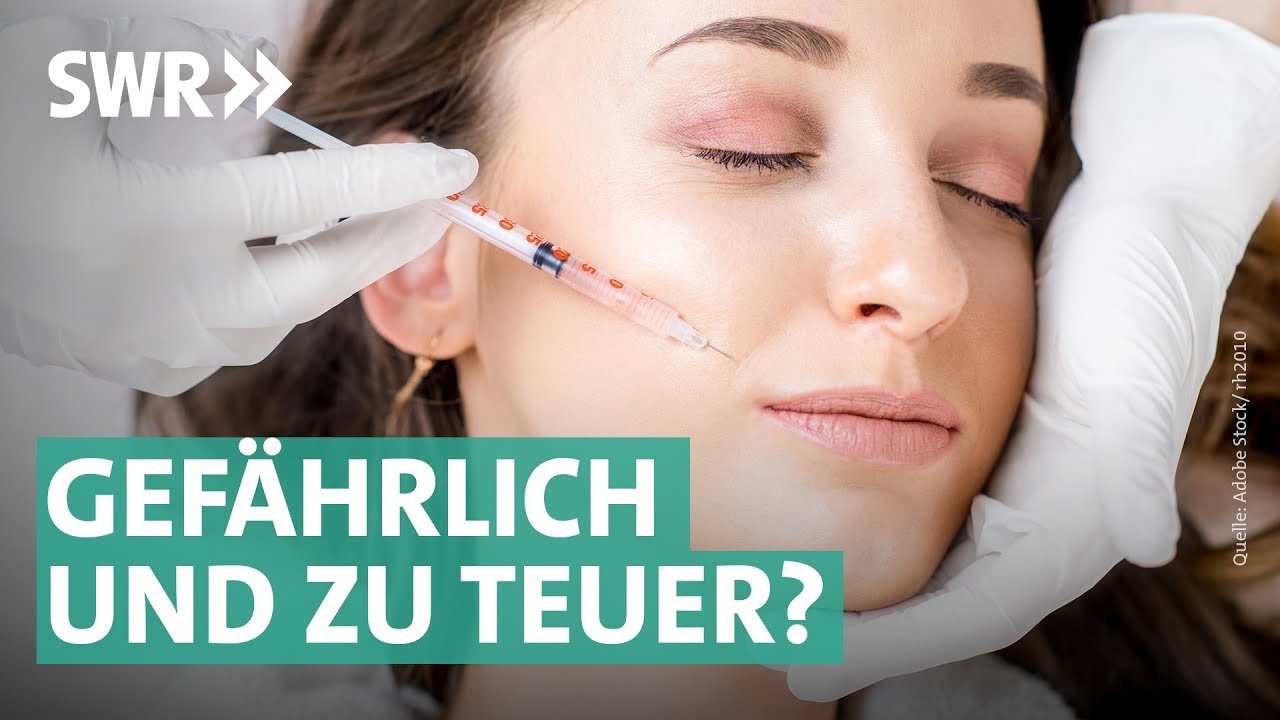
On the day, we review the plan, confirm consent, answer last questions, then cleanse the skin thoroughly. If you are needle-averse, a topical anesthetic can take the edge off, but most patients find botox shots tolerable without numbing. The needles are small. Expect a series of quick pinches and a mild pressure sensation. Each injection creates a small bump that settles within minutes. For forehead and frown lines, you will feel three to twelve quick taps, depending on your plan. Crow’s feet usually need a few points on each side. The entire botox procedure often takes under ten minutes. Masseter injections are slightly deeper and may feel more “full,” but still quick.
During treatment, I ask you to contract muscles to confirm placement, then relax. We apply gentle pressure right after each point to limit bruising. If a capillary bleeds, we hold pressure a bit longer. Meticulous hemostasis reduces those telltale dots.
The unit question: how much is enough
There is no universal number that fits everyone. Typical cosmetic ranges give a starting frame: 10 to 25 units for the glabellar complex, 6 to 20 units for the forehead, 6 to 15 units per side for crow’s feet. A brow lift might use 2 to 4 micro-units on each side in specific depressor points. Masseter botox can range from 20 to 40 units per side in women and 30 to 60 in men, sometimes more in very strong jaws. A lip flip may be 4 to 8 units total. These are ranges, not prescriptions.
Dosing reflects muscle strength, desired movement, and prior response. A first time botox patient with low muscle mass might start conservative, then build on a follow up. A patient who metabolizes quickly may need slightly higher units or shorter intervals. Predictability improves after two or three cycles once your provider sees how your face responds over time.
Right after: the first hour matters
The aftercare you follow in the first few hours helps control diffusion and bruising. Stay upright for four hours. Avoid rubbing the treated areas. Skip helmets, tight hats, and facials that day. Keep workouts, hot yoga, and steam rooms for tomorrow. If a small bruise appears, a cold compress for 5 to 10 minutes on and off can help. Makeup can be applied with a clean brush after six hours, but the skin will thank you if you let it breathe overnight.
Some people feel a dull headache, especially after their first botox appointment for frown lines. Over-the-counter acetaminophen is usually fine unless your doctor advises otherwise. Avoid ibuprofen that day because of bruising risk. Itching or slight redness at injection sites is common and fades quickly.
The waiting window: when results appear
Botox results are not instant. You might notice a change as early as day two in the glabellar region. Crow’s feet and forehead lines usually soften by day three to five, with the full effect by day 10 to 14. This is a critical point in managing expectations. If you have an event, two weeks is the safe window. Do not judge symmetry at day three; small differences often balance out by day ten.
For masseter botox, jaw tension relief often starts within a week, but facial slimming is gradual. It takes four to eight weeks to see the lower face narrow as the muscle reduces in bulk. For a botox lip flip, the effect shows within a few days, potentially feeling a bit strange with sipping for a week before it feels natural.
The follow up: fine-tuning beats overfilling
I like to see new patients at two weeks for a quick check. We assess symmetry, movement, brow position, and whether the goals were met. If a small line persists because the muscle still recruits, we add a tiny touch up. If brows feel heavy, we identify whether it is from frontalis relaxation or preexisting lid heaviness, then plan future doses to protect brow lift function. A conservative initial dose with a planned tweak is smarter than an aggressive first round that takes months to wear off.
Maintenance intervals depend on metabolism and preference. Many patients are happy with a three to four month rhythm. Some stretch to five or six months when lines are mild. Others prefer a strict 12-week cadence for a consistently smooth look. The sweet spot balances your schedule, budget, and how much movement you want to preserve.
What affects longevity and feel
Several variables influence how long botox lasts. Stronger muscles need more units to fully relax and may still wear off a bit faster. Very active patients, especially those who run hot in saunas or train intensely, sometimes metabolize quicker. Genetics plays a role. Dose matters, but more is not always better. Over-treating the forehead can flatten expression and alter brow shape. Skillful placement with the right units in the right spots provides better longevity than blanket dosing.
Skin quality also shapes the final look. If your skin has fine etched lines from years of movement, botox will relax the muscle beneath, but resurfacing or microneedling can help the skin texture catch up. Think of botox as muscle management, and skincare as fabric care.
Safety: what’s common, what’s rare
Bruising is the most common nuisance, usually a small dot or two. Headaches and a heavy feeling in treated areas can occur during the first week. Eyelid or brow droop is uncommon and tied to dose, placement, diffusion, or preexisting anatomy. If a lid droop happens, it is temporary and can be managed with drops while the effect fades.
Smile changes or a slight lip weakness after a botox lip flip can occur if the product spills too far from the intended border. That is why dosing stays low. In masseter botox, temporary chewing fatigue is normal; long-standing chewing weakness is rare when placed correctly. Allergic reactions are extremely rare. Infection is rare with clean technique.
Choosing a botox doctor who knows how to prevent and manage these scenarios is the best safety net. A good botox clinic keeps authentic product from reputable suppliers, documents lot numbers, and maintains sterile protocols. If something feels off during your visit, trust your instinct and pause.
Special areas and use cases
Forehead and frown lines are the workhorses of botox wrinkle injections, but smart treatments often address balance and function.
Botox brow lift: By selectively relaxing brow depressors and preserving lateral frontalis, you can gain a subtle lift of a few millimeters. It opens the eyes without looking “done.” This requires restrained dosing centrally and careful mapping laterally.
Crow’s feet: Smiles should stay joyful. The trick is to soften the etched rays without stealing the crinkle that conveys warmth. Lower dosing with slightly more posterior placement preserves that spark.
Masseter botox for jaw slimming: Patients with bruxism often describe morning jaw fatigue, headaches, and a square lower face. Botox in the masseter muscles reduces clenching and can slim the jawline over two to three months. I ask patients to avoid gum and tough jerky during the first two weeks to ease adaptation. For bite alignment concerns, coordination with a dentist or orofacial pain specialist is ideal.
Neck bands: Platysmal bands can soften with carefully placed units along each band. The neck is unforgiving, so caution is essential to avoid swallowing changes or smile asymmetry. Start slow.
Lip flip: A few units along the upper lip border can reveal more vermilion and soften a gummy smile. I use it often for patients who want a little more show without filler. The trade-off is mild straw difficulty for a few days. For volume and structure, fillers still lead.
Medical botox: Migraine treatment, spasticity, and hyperhidrosis involve different patterns, doses, and deeper medical evaluation. If you benefit from medical botox for migraines, your cosmetic plan must respect those injection cycles to avoid overlap or unintended diffusion.
Botox vs fillers: how to decide
Botox reduces motion lines. Fillers restore structure and volume. If your primary concern is horizontal forehead lines that deepen when you raise your brows, botox is appropriate. If the issue is a static crease present even at rest, a small amount of filler may be layered after several cycles of botox have softened the muscle’s pull. For nasolabial folds, fillers do more than https://batchgeo.com/map/ann-arbor-michigan-botox botox. For a lip flip versus lip volume, botox changes how the lip curls, while filler changes the lip’s shape and fullness. In many faces, the best outcomes combine modalities, staged over time.
Budgeting and value: cost without regret
Botox cost varies widely. Ask for transparent per-unit pricing and an estimate of likely units for your plan. Resist the temptation to shop purely on botox deals. A unit that looks cheap but is over-diluted or poorly placed is not a deal. Better to have 18 well-placed units than 30 units scattered without strategy. Some practices offer botox packages or loyalty programs for maintenance, which can make sense if you like their work and plan to return. Beware of pressure tactics that push more areas than you want. A focused plan directed at your priorities usually gives the best value.
Before and after: how to read results critically
Realistic botox before and after images should be taken in consistent light, the same focal length, and with the same facial expression. If the “after” is taken with softer light or relaxed expression, it can mislead. Look closely at brow height, eyelid position, and smile shape. The best outcomes seem boring at first glance because the person looks like themselves, just fresher. Dramatic “after” photos often reflect filters, angles, or additional treatments. Ask what else was done.
Aftercare and maintenance timeline
What you do in the days after treatment keeps results on track. Keep exercise light the first day. From day two onward, resume normal routines. Skincare can continue as usual once injection points close, typically the same evening or next morning. Avoid facial massage and aggressive treatments for a few days. If you use retinoids or acids, you can restart them as normal the next night.
Consider a consistent maintenance plan. Many patients book the next botox appointment at the two to three month mark to avoid a full return of movement. That rhythm often smooths lines more effectively than waiting until everything has worn off. If you prefer to feel some movement return between visits, extend the interval. There is no single correct cadence; it is your face and your calendar.
Troubleshooting common scenarios
If one eyebrow is higher at two weeks: Often the higher brow has more active frontalis left. A micro-dose above the high brow evens the set. Do not chase asymmetry earlier than day 10.
If the forehead feels tight: This sensation usually fades by week two. Light facial expressions help the brain recalibrate. If tightness feels like heaviness in the brows, future doses should preserve more lateral frontalis function.
If a small bruise appears: Arnica gel can help, but time is the real fix. A yellow color phase by day four to five is normal. A tiny dab of color-correcting concealer hides it if needed.
If headaches persist beyond a couple of days: Touch base with your provider. Most are mild and self-limited, but it is worth checking in.
If you feel your smile looks different after crow’s feet treatment: Mild changes often settle within two weeks. If it feels off after that, discuss placement adjustments for next time, moving points slightly more posterior or reducing dose.
For first timers: what surprised most patients
Three things consistently surprise new patients. First, how little the injections hurt. The anticipation is worse than the sensation. Second, how natural subtle botox can look when dosing and placement are tailored. People often expect comments from friends, yet the usual feedback is, “You look rested,” not “Did you get work done?” Third, the importance of movement mapping. Once patients see how a tiny change in injection position alters a brow line, they appreciate why an experienced botox specialist obsesses over millimeters.
Men, women, and individualized plans
Sex differences in brow shape and muscle mass call for nuanced plans. Botox for men often uses slightly higher units in strong glabellar and masseter muscles and aims to preserve a flatter brow without arching. Botox for women might prioritize a gentle lateral lift and finer sculpting around crow’s feet. Nonbinary and gender-diverse patients have a spectrum of aesthetic goals that do not fit stereotypes, so the plan returns to the same principles: map movement, set specific goals, and respect the identity you want the world to read on your face.
When to wait or skip
There are times to hold off on botox. Pregnancy and breastfeeding remain relative contraindications because safety data is limited. Active skin infections need clearing first. If you have a big life event within a week and have never had botox, reschedule rather than risk a timing mismatch. If you cannot commit to a thoughtful consultation or are being pressured into add-on areas you did not plan, pause. The right botox aesthetic treatment waits for you.
The long game: results year over year
With consistent botox maintenance, patients often notice that lines do not etch as deeply. You may even be able to reduce dose over time as the habit of over-recruiting certain muscles fades. That said, aging continues. Skin thins, fat pads shift, and bones remodel. Combining botox with smart skincare, sun protection, and targeted treatments keeps results balanced. A patient who protects their skin with daily sunscreen typically needs fewer units for the same visual outcome because the “fabric” holds up better.
A practical, minimal checklist for your next visit
- Clarify your top two goals and bring a photo of how you like your expression. Share medical history, prior botox experiences, and any side effects. Avoid alcohol and blood-thinning supplements 24 to 48 hours before if possible. Schedule the appointment at least two weeks before any event. Book a two-week follow up for fine-tuning if you are new to this provider.
Final thoughts from the treatment room
The best botox results look like you slept well for a month and just got back from a gentle vacation. That outcome comes from choosing a thoughtful clinician, aligning on precise goals, respecting anatomy, and treating conservatively at first. Whether you are considering botox for forehead lines, a subtle botox brow lift, masseter botox for jaw tension, or a small botox lip flip, the steps are the same: careful consent, detailed mapping, steady technique, and clear aftercare. If you ever feel rushed or unheard, keep looking. Faces deserve time, and time is what makes botox look beautifully effortless.